Best CRM Software for Small Business in the USA (2026 Comparison & Pricing Guide)
In today’s fast-paced digital economy, small businesses in the United States are constantly searching for ways to improve efficiency, increase sales, and build stronger relationships with their customers. One of the most powerful tools that can help achieve these goals is Customer Relationship Management (CRM) software. In 2026, CRM platforms are no longer optional—they are essential for growth, automation, and long-term success.
CRM software allows businesses to centralize customer data, automate workflows, track sales performance, and enhance communication across teams. Whether you are running a startup, an online business, or a local service company, choosing the right CRM can significantly impact your revenue and operational efficiency.
In this comprehensive guide, we will explore the best CRM software for small businesses in the USA, compare their pricing, features, and advantages, and help you choose the right solution for your needs.
What Is CRM Software and Why It Matters
CRM software is a digital platform designed to manage customer interactions and data throughout the entire customer lifecycle. It helps businesses organize contacts, track leads, monitor sales pipelines, and automate repetitive tasks.
For small businesses, the importance of CRM cannot be overstated. Without a CRM system, managing customer information manually can quickly become overwhelming and inefficient. Missed follow-ups, lost leads, and disorganized data can result in lost revenue opportunities.
With a CRM system, everything is centralized and accessible. You can track every interaction with your customers, understand their behavior, and make data-driven decisions that improve conversions and retention.
Key Features to Look for in CRM Software
Before choosing a CRM, it is important to understand which features matter most for your business.
1. Contact Management
A good CRM should allow you to store and organize customer information efficiently. This includes names, emails, phone numbers, and interaction history.
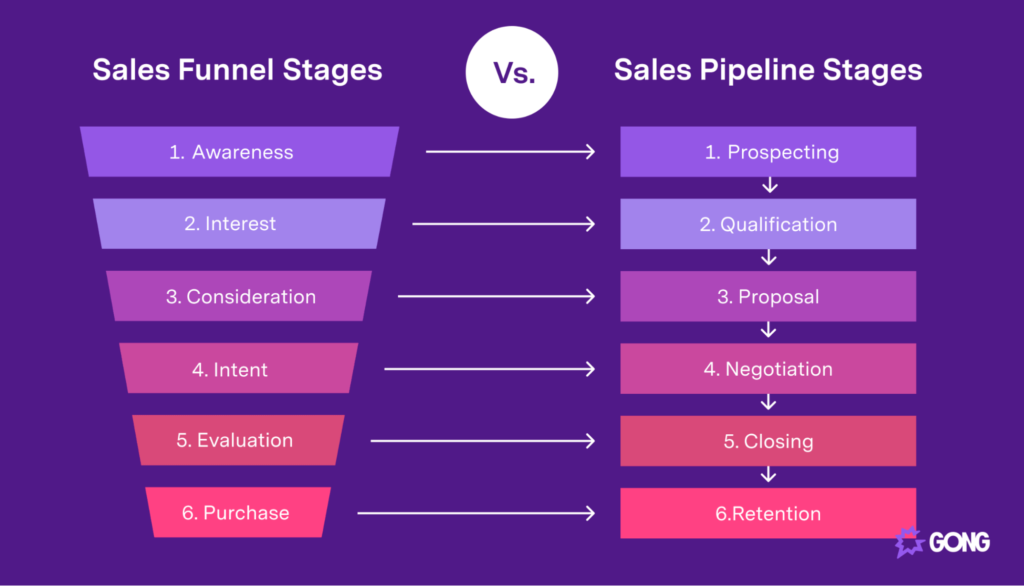
2. Sales Pipeline Tracking
You should be able to track leads through different stages of the sales process. This helps you identify opportunities and close deals faster.
3. Automation Tools
Automation is one of the biggest advantages of CRM software. Tasks like follow-up emails, reminders, and lead assignments can be automated to save time.
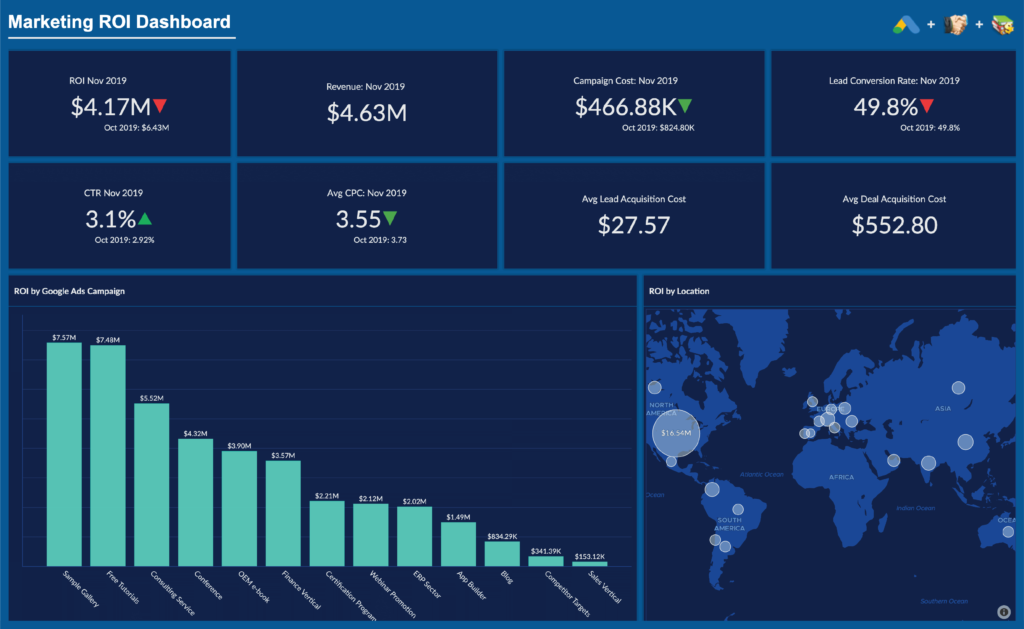
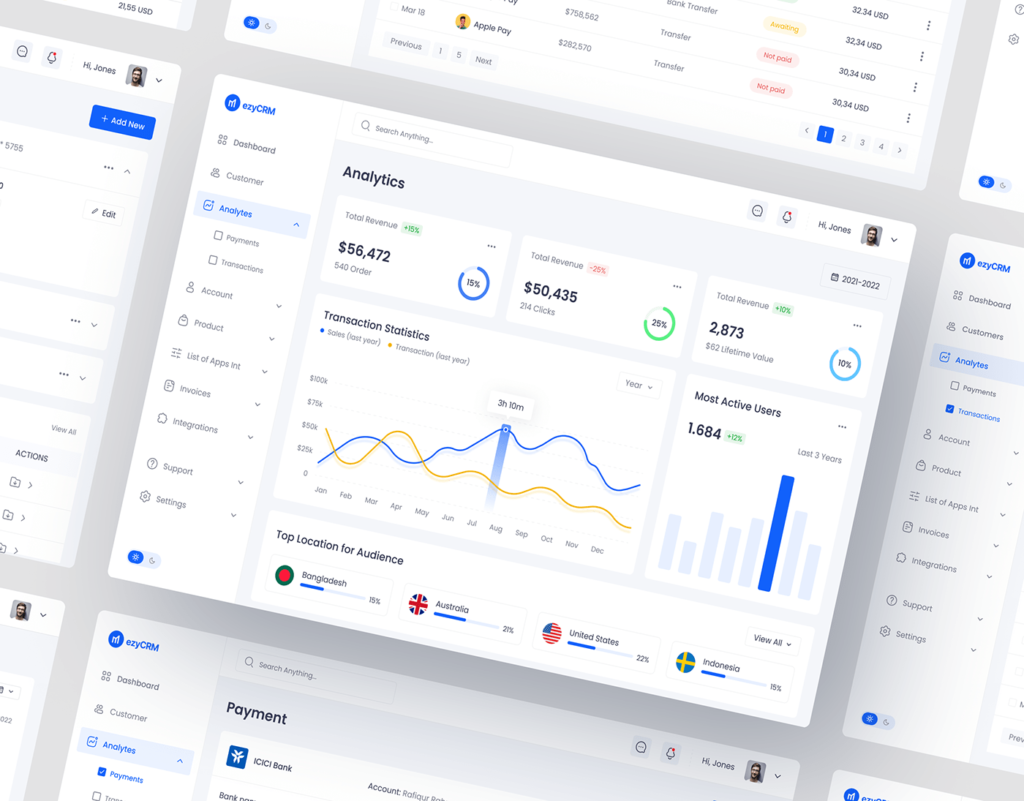
4. Reporting and Analytics
Advanced CRM platforms provide insights into your sales performance, customer behavior, and marketing effectiveness.
5. Integration Capabilities
Your CRM should integrate with other tools such as email marketing platforms, payment systems, and customer support software.
6. Pricing and Scalability
Small businesses need affordable solutions that can grow with them over time.

Best CRM Software for Small Businesses in the USA (2026)
1. Salesforce CRM
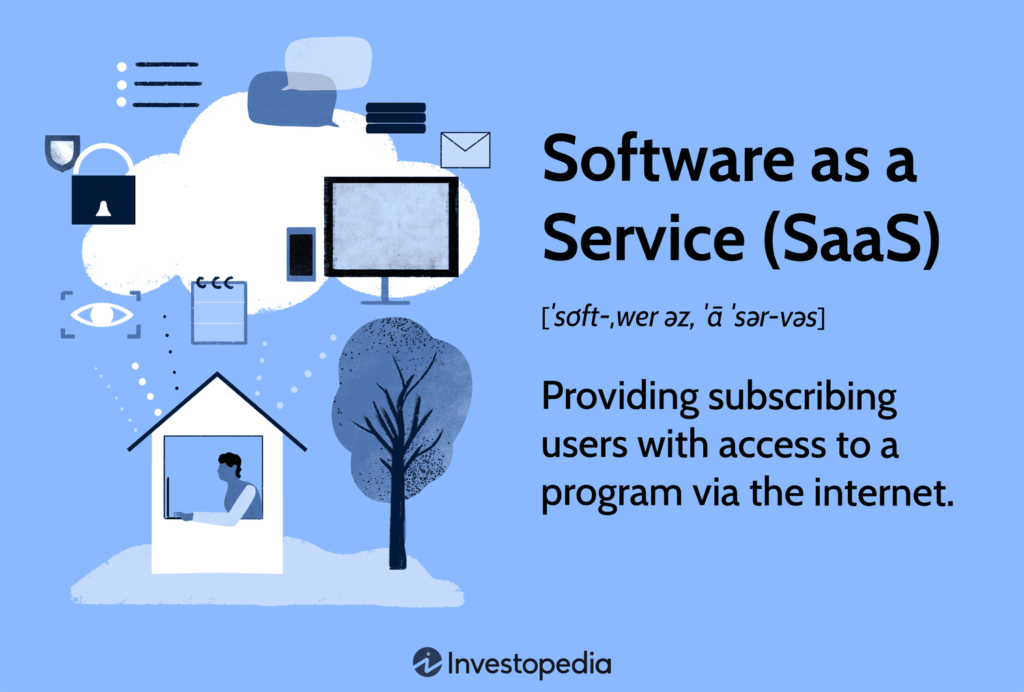
Salesforce remains one of the most powerful CRM platforms in the world. It is widely used by businesses of all sizes and offers a wide range of features.
Key Features:
- Advanced automation tools
- AI-powered analytics
- Customizable dashboards
- Cloud-based access
Pricing:
Salesforce pricing typically starts at around $25 per user per month and can increase depending on features and customization.
Best For:
Businesses that need a scalable and highly customizable solution.
Pros:
- Extremely powerful and flexible
- Advanced reporting capabilities
- Strong ecosystem of integrations
Cons:
- Can be complex for beginners
- Higher cost compared to other CRMs
2. HubSpot CRM
HubSpot is one of the most popular CRM platforms for small businesses due to its simplicity and powerful marketing tools.
Key Features:
- Free CRM plan
- Email marketing automation
- Lead tracking and scoring
- User-friendly interface
Pricing:
HubSpot offers a free plan, with paid plans starting around $20 to $50 per month depending on features.
Best For:
Startups and small businesses looking for an easy-to-use CRM.
Pros:
- Free version available
- Easy to use
- Great for inbound marketing
Cons:
- Advanced features can get expensive
- Limited customization compared to Salesforce
3. Zoho CRM
Zoho CRM is known for its affordability and flexibility. It is a strong competitor in the small business market.
Key Features:
- Sales automation
- Workflow customization
- Multichannel communication
- AI assistant (Zia)
Pricing:
Zoho CRM starts at around $14 per user per month, making it one of the most affordable options.
Best For:
Businesses looking for a budget-friendly CRM with solid features.
Pros:
- Affordable pricing
- Customizable
- Good feature set for the price
Cons:
- Interface can feel outdated
- Learning curve for advanced features
4. Pipedrive
Pipedrive is a sales-focused CRM designed to help businesses manage their pipelines efficiently.
Key Features:
- Visual sales pipeline
- Activity reminders
- Sales forecasting
- Easy-to-use interface
Pricing:
Starts around $14.90 per user per month.
Best For:
Sales teams that want a simple and effective CRM.
Pros:
- Easy to use
- Great for sales tracking
- Affordable
Cons:
- Limited marketing features
- Fewer integrations than competitors
5. Freshsales (Freshworks)
Freshsales is a modern CRM platform that combines ease of use with powerful automation features.
Key Features:
- Built-in phone and email
- AI-based lead scoring
- Automation workflows
- Customer journey tracking
Pricing:
Starts around $15 per user per month, with a free plan available.
Best For:
Businesses looking for an all-in-one CRM with communication tools.
Pros:
- Affordable
- Easy to set up
- Built-in communication tools
Cons:
- Limited customization
- Fewer advanced features than Salesforce
CRM Pricing Comparison (2026)
| CRM Software | Starting Price | Free Plan | Best For |
|---|---|---|---|
| Salesforce | $25/user/mo | No | Large & scaling businesses |
| HubSpot | Free / $20+ | Yes | Beginners & startups |
| Zoho CRM | $14/user/mo | Yes | Budget-friendly users |
| Pipedrive | $14.90/mo | No | Sales teams |
| Freshsales | $15/mo | Yes | All-in-one solution |
How CRM Software Increases Revenue
One of the main reasons businesses invest in CRM software is to increase revenue. Here’s how:
1. Better Lead Management
CRM systems ensure that no lead is lost. Every potential customer is tracked and followed up properly.
2. Improved Conversion Rates
By analyzing customer data, businesses can tailor their approach and increase the chances of closing deals.
3. Automation Saves Time
Automation allows teams to focus on high-value activities instead of repetitive tasks.
4. Customer Retention
CRM systems help businesses maintain strong relationships with customers, leading to repeat sales.
How to Choose the Best CRM for Your Business
Choosing the right CRM depends on your specific needs. Here are some key factors to consider:
- Budget
- Team size
- Required features
- Ease of use
- Integration needs
Small businesses should start with a simple CRM and upgrade as they grow.
Future Trends in CRM Software (2026 and Beyond)
CRM technology is evolving rapidly. Some of the biggest trends include:
- AI-powered automation
- Predictive analytics
- Voice and chatbot integration
- Advanced personalization
These innovations will continue to transform how businesses interact with customers.
Final Thoughts
Choosing the best CRM software for your small business in the USA is a critical decision that can significantly impact your growth and profitability. Platforms like Salesforce, HubSpot, Zoho, Pipedrive, and Freshsales offer powerful features designed to help businesses streamline operations, improve customer relationships, and increase revenue.
The key is to select a CRM that aligns with your business goals, budget, and long-term strategy. By investing in the right solution, you can gain a competitive advantage and position your business for success in 2026 and beyond.